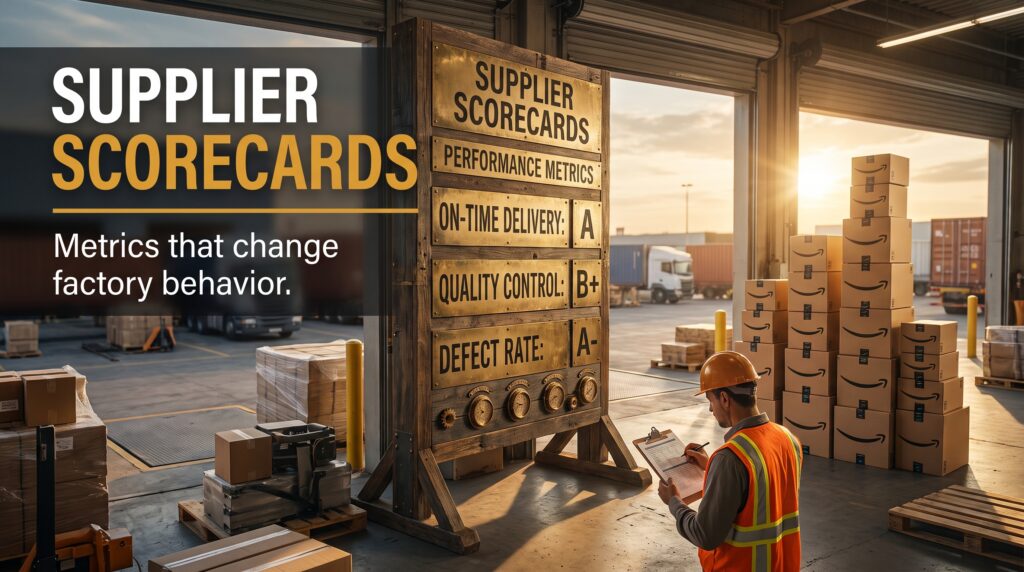
TL;DR A supplier scorecard is a shared record of how your supplier performs on a few metrics that matter: on-time delivery, order accuracy, defect rate, and responsiveness. It only changes behavior when you keep it to five metrics, review it on a set schedule, and tie the grade to future order volume. Most Amazon sellers […]
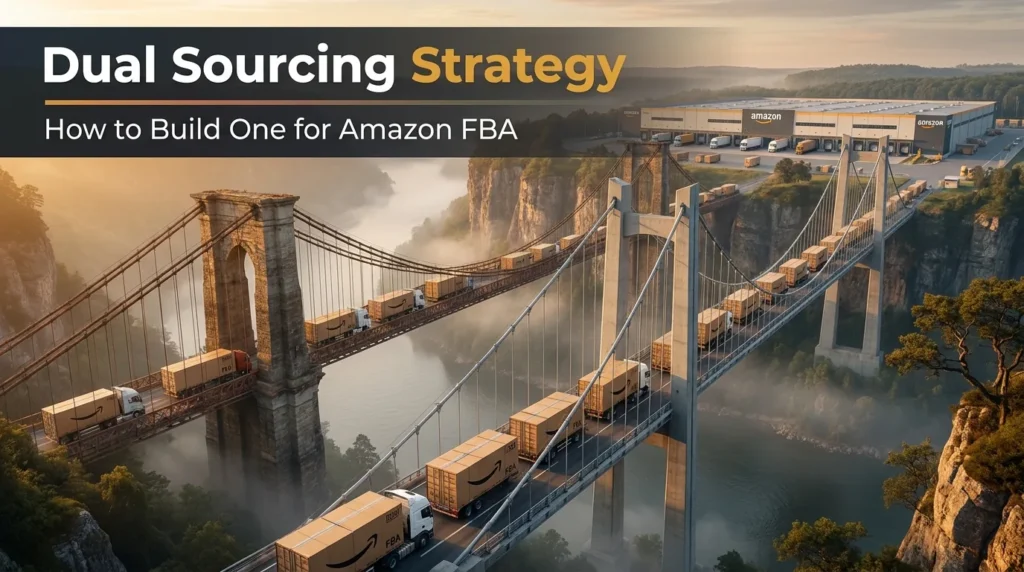
How to Build a Dual Sourcing Strategy for Amazon FBA
TL;DR A dual sourcing strategy means buying the same product from two qualified suppliers instead of one. For Amazon FBA sellers, it prevents the stockouts that wreck your rank when a single factory misses a run. Split your volume, qualify a real backup, and write the terms down before you need them. Picture this. Your […]
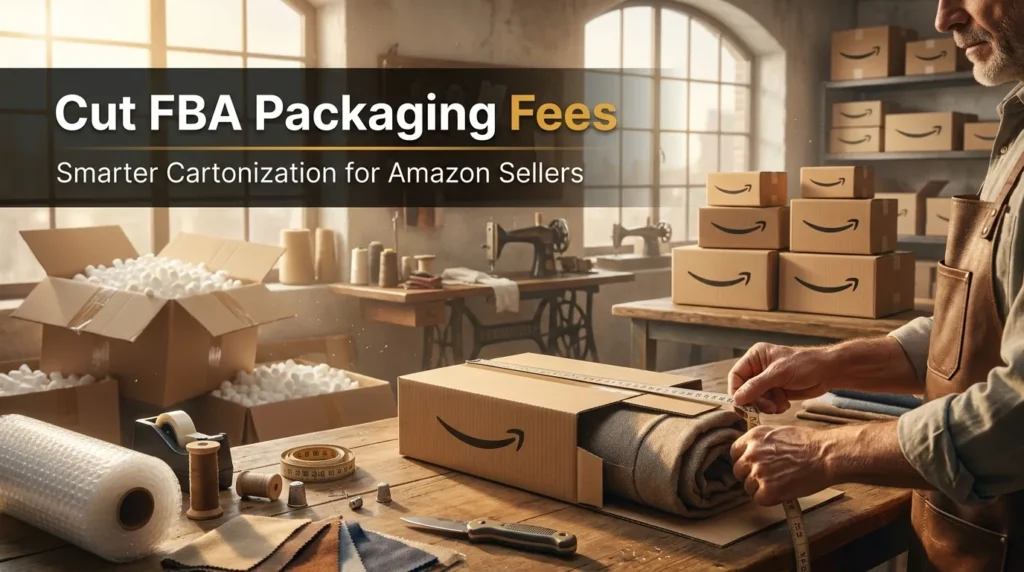
How to Cut Amazon FBA Packaging Fees with Smarter Cartonization
TL;DR Amazon FBA packaging fees are driven by dimensional weight, so an oversized box can cost more to ship than the product actually weighs. Right-size your cartons, and enroll eligible SKUs in SIPP, to drop into a lower billable weight and save anywhere from a few cents to over a dollar per unit. Here is […]
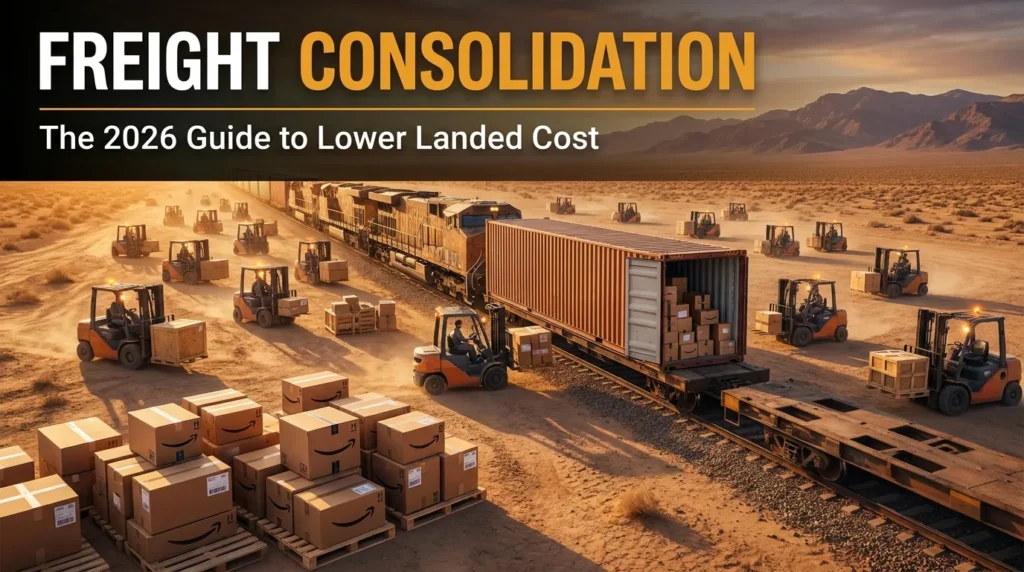
Freight Consolidation for Amazon FBA: The 2026 Guide to Lower Landed Cost
TL;DR Freight consolidation means combining separate shipments into one larger, palletized, container-scale move to Amazon. For most FBA sellers past 12 to 15 CBM per order, freight consolidation cuts per-unit freight by 30 to 50 percent and lowers total landed cost enough to add real margin points. Most sellers I talk to obsess over their […]
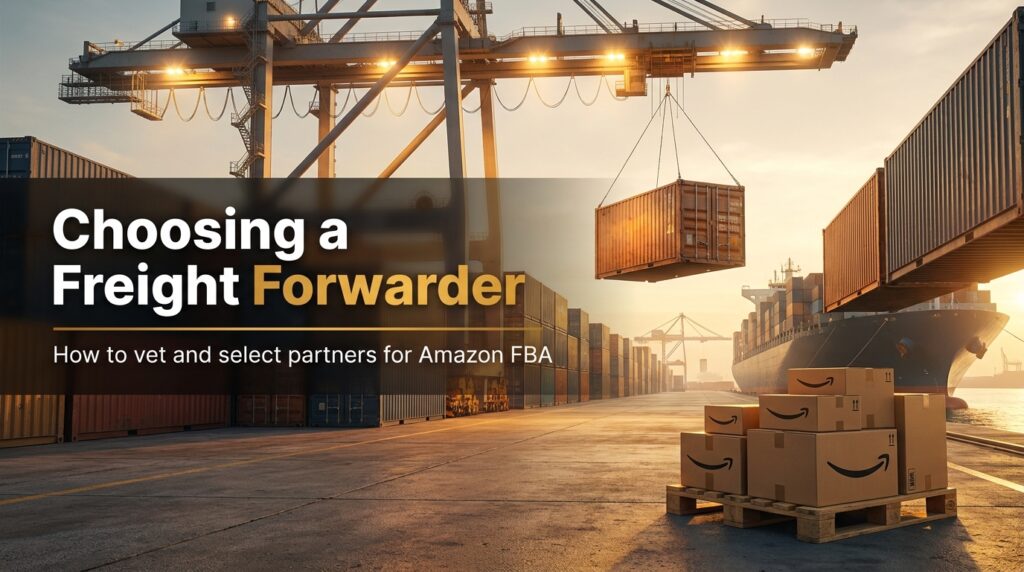
How to Vet and Choose a Freight Forwarder for Amazon FBA
TL;DR To vet a freight forwarder for Amazon FBA, score three to five candidates on FBA-specific experience, pricing transparency, customs and DDP capability, and proven performance like on-time delivery. Then pick the partner who lands your inventory on the FBA shelf reliably, not the one with the cheapest ocean quote. Your freight forwarder for Amazon […]
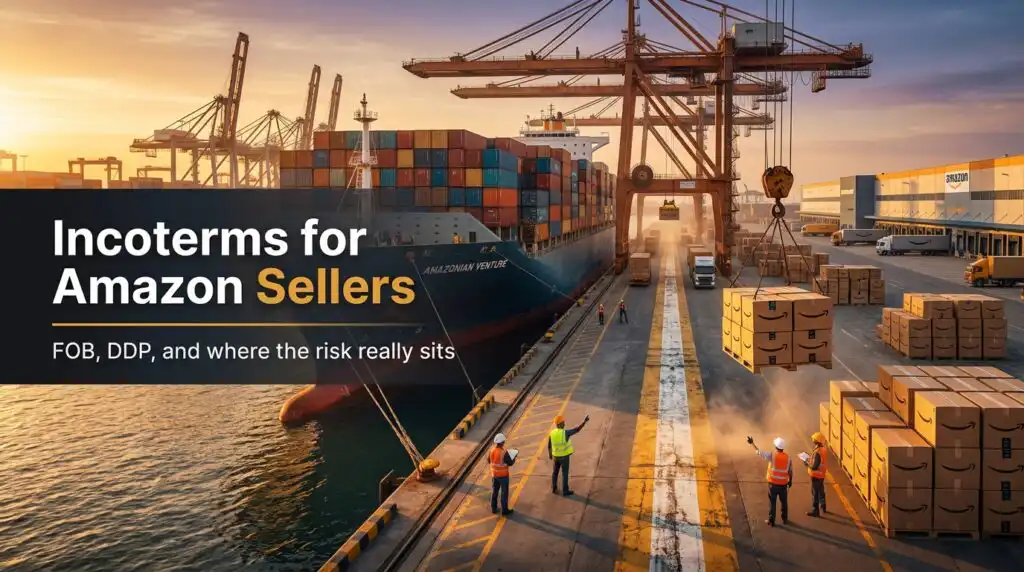
Incoterms for Amazon Sellers: A Practical Guide to FOB, DDP, and Risk Transfer
TL;DR Incoterms are the international rules that decide who pays and who carries the risk at each step of a shipment. For most Amazon FBA sellers, FOB gives the best balance of cost and control, while DDP trades convenience for real customs liability. Pick your Incoterm before you negotiate price, not after. If you have […]
Buffer Inventory Strategies for Surviving Supplier Delays on Amazon FBA
TL;DR Buffer inventory is the extra stock you hold to keep selling when a supplier ships late. For most Amazon FBA sellers, sizing it to your lead time variability, then splitting it between FBA and a 3PL or AWD, protects your Buy Box and IPI without drowning your cash in units you cannot sell fast […]
Air vs Ocean Freight for Amazon FBA: How to Choose by Scenario
TL;DR Air freight moves Amazon FBA inventory in about 5 to 12 days but costs $4.50 to $8 per kilogram. Ocean freight takes 30 to 45 days at roughly $0.30 to $0.80 per kilogram. Choose air for launches and thin buffers, ocean for planned restocks, and ground for the domestic leg. Choosing between air vs […]
Lead Time Variability Is Quietly Killing Your FBA Service Levels
TL;DR Lead time variability is the swing in how long your supplier actually takes to deliver, not the average. It matters more than the average because your safety stock scales directly with that swing. For most Amazon FBA sellers, taming lead time variability protects service levels better than shaving a few days off the average. […]
How to Measure and Reduce Lead Time: An Honest Guide for Amazon Sellers
TL;DR You cannot reduce lead time until you measure it honestly: every day from sending the PO to units going live at FBA. Map all six stages, time each one from your last few orders, then attack the slowest stage first. In my experience, most sellers find two to three weeks of recoverable time hiding […]